ChatGPT
 Gemini
 Perplexity
 Claude
 Grok
Grok
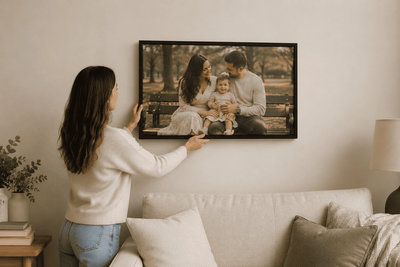
Take the same photo and put it in two different frames. One is a deep, rich walnut with a smooth satin finish. The other is a clean, pale maple with a fine, subtle grain. It's the same image, but you get a completely different feeling on the wall. That's how much the choice of wood matters.
Different wood species vary in their density, grain texture, weight, and how well they hold up over time. When decorating, the right choice depends on the room, the artwork, and the kind of statement you want to make.
This guide covers the four best wood types for picture frames, what makes each one unique, and how to match them to your home.
What Makes a Good Wood for Picture Frames?
Not all wood is created equal when it comes to framing. The best wood for picture frames balances three things: visual character, structural strength, and long-term stability.
What to Think About Before You Choose a Frame
- Room style: The wood finish should complement the existing furniture and decor in the room, not compete with it.
- Artwork type: Bold, open-grained woods like oak suit large statement pieces and heavy canvases. Fine-grained woods like maple suit delicate prints and minimalist photography.
- Frame size: Larger frames need denser, more rigid wood to prevent warping over time. Lighter woods work well for smaller, everyday displays.
- Natural vs. painted finish: A natural wood grain adds warmth and organic character to a room. A painted finish, like white or black, keeps the focus entirely on the photo.
4 Best Types of Wood for Picture Frames
1. Walnut
This wood is best for mid-century modern, industrial, and traditional rooms.

Why it's a good choice
Walnut is one of the densest and most durable framing woods available. Its deep chocolate brown tones and tight, straight grain give it a naturally luxurious feel that suits bold, statement-making displays.
It's heavy enough to support large canvases without bowing, and it holds its structure beautifully over time.
Why we chose this wood
There's a reason walnut is one of the most popular frame finishes. It works with almost any photo, from dramatic black-and-white portraits to warm, candid family moments, and it brings an immediate sense of quality and permanence to any wall it's on.
FrameForest's walnut photo frames are crafted from 100% solid wood, so the color and grain you see are completely authentic.
Where it works best
- Living rooms and dining rooms with warm, rich furniture tones.
- Bedrooms where you want a considered, sophisticated feel.
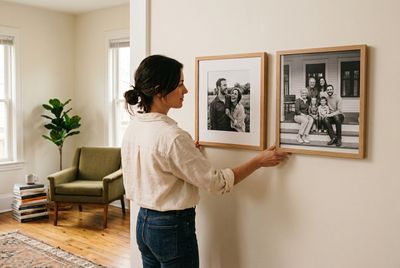
- Gallery walls featuring black-and-white family portraits or wedding photography.
- Large-format statement pieces, like 20 by 30 or 22 by 44 prints.
2. Maple
This wooden finish is great for minimalist and Scandinavian spaces.
Why it's a good choice
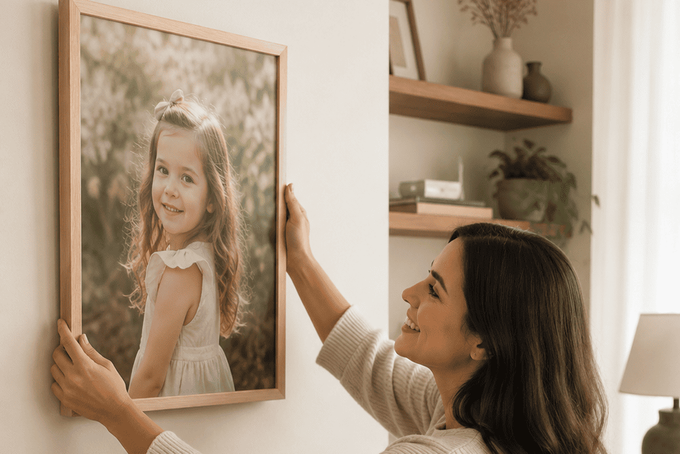
Maple has one of the finest, most subtle grain patterns of any framing wood, which makes it incredibly clean and understated on the wall. It's exceptionally hard and resistant to scuffs and scratches, and its creamy white tone keeps the focus entirely on the photo rather than the frame around it.
Why we chose this wood
Maple is the most versatile light wood for picture frames because it suits almost any photo without competing with it. It's the natural choice for anyone who wants the frame to feel present but not dominant.
FrameForest's maple frames highlight the wood's smooth, clean texture with a precision-cut profile that feels genuinely premium without being heavy or overpowering.
Where it works best
- Light, airy rooms with neutral walls and minimal decoration.
- Children's bedrooms and nurseries, or rooms where a soft, clean look is the goal.
- Gallery walls featuring color family portraits or close-up kids' portraits.
- Smaller frame sizes, where a fine grain keeps everything feeling balanced.
3. Oak
This picture frame works best for farmhouse, Japandi, and craftsman interiors.

Why it's a good choice
Oak is one of the most structurally strong framing woods available, with a bold, open grain and warm golden brown tones that add genuine character to any wall.
It's also highly wear-resistant, holds its shape under heavy canvases, and its natural warmth suits a wide range of interior styles from rustic farmhouse to clean Japandi.
Why we chose this wood
Oak strikes the perfect balance between warmth and structure. It's bold enough to make a statement but versatile enough to work across very different room styles.
FrameForest uses premium golden oak cuts that celebrate the natural grain while keeping the frame profile clean and contemporary, so it never feels old-fashioned or heavy.
Where it works best
- Living rooms with natural wood furniture, earthy tones, or organic textures.
- Hallways and staircase gallery walls where durability matters.
- Large format prints and heavy canvases that need a structurally strong frame.
- Family portrait displays and wedding photography in warm, inviting spaces.
4. Cherry
This finish is great for transitional and elegant, contemporary rooms.
Why it's a good choice
Cherry is a naturally beautiful hardwood with a rich, satiny texture and warm reddish-brown tones that deepen and develop character over time. It's dimensionally stable, resistant to warping, and has a naturally smooth surface that gives it a refined, high-end appearance.
Why we chose this wood
Cherry brings something none of the other woods do: a warmth that evolves. The longer it's on your wall, the more beautiful it becomes as the natural tones deepen with light exposure.
It sits beautifully between the dark richness of walnut and the lighter warmth of oak.
Where it works best
- Transitional and formal living spaces with warm, elegant furniture.
- Bedrooms where a soft, refined warmth is what you're looking for.
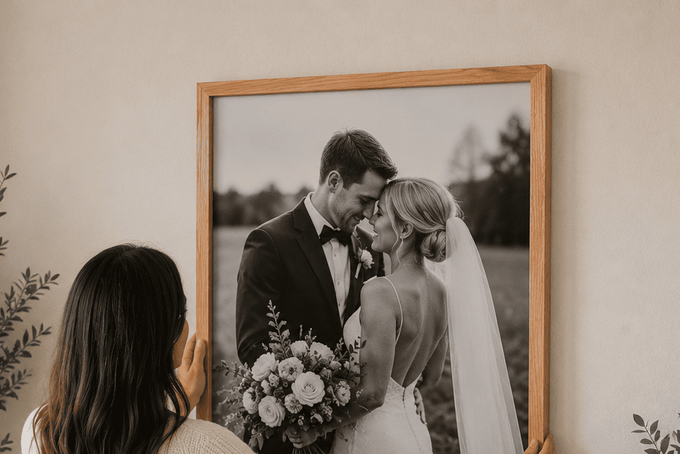
- Wedding portraits and anniversary displays where the frame finish echoes the warmth of the occasion.
- Gallery walls that mix warm wood tones for a layered, collected look.
How to Choose the Right Wood for Your Space
With four excellent options available, the choice usually comes down to three things: your room's existing style, the type of photo you're framing, and how much visual weight you want the frame itself to carry.
1. Match the Wood to the Room
- Walnut suits warm, rich interiors with dark furniture, leather accents, or deep-toned walls.
- Maple suits light, minimal spaces where the goal is clean lines and an uncluttered feel.
- Oak suits relaxed, natural interiors with organic textures, raw wood furniture, or earthy tones.
- Cherry suits transitional and elegant spaces where you want a frame that brings warmth and evolves beautifully over time.
- FrameForest's solid wood frames in white finish suit bright, airy rooms where you want the photo to take centre stage. FrameForest's solid wood frames in black finish suit contemporary or industrial spaces where contrast and drama are part of the aesthetic.
2. Match the Wood to the Photo
- Bold, dramatic images like large black-and-white portraits suit a walnut or a solid wood frame with a black finish.
- Soft, intimate family moments suit a cherry, maple, or white finish solid wood frame. It gives a clean, understated presentation.
- Large format prints and heavy canvases suit oak or walnut for structural strength.
- Kids' portraits and wedding photography work beautifully in any of the above woods, depending on the room they're going into.
3. Natural Grain vs. Painted Finish
- A natural wood grain like walnut, cherry, maple, or oak adds warmth and organic character that a painted finish can't replicate. It makes the frame feel like a genuine part of the room's architecture rather than just a border around a photo.
- A painted finish, like white or black, keeps things clean and graphic. FrameForest's white and black finish frames are crafted from genuine solid wood underneath, so you're getting real wood quality with a clean, contemporary finish.
FrameForest's black finish solid wood frames alongside any natural wood create a bold, graphic look that feels collected rather than matched.
Find Your Perfect Frame Finish With FrameForest
The right wood finish does more than just hold a photo on a wall. It ties the piece into the room, protects the image for years, and turns a simple print into something that feels genuinely considered and permanent.
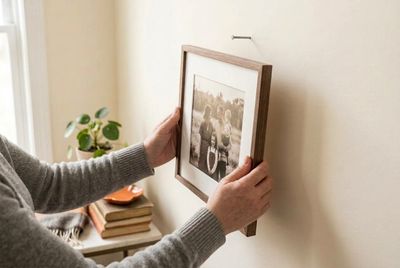
Whether you're drawn to the rich warmth of walnut, the clean simplicity of maple, the versatility of oak, or the evolving beauty of cherry, every FrameForest frame is crafted from 100% genuine solid wood with a clean, straight profile, UV-protected acrylic glass, and a sawtooth hanger that requires just one nail.
FAQs
What's the most durable wood for picture frames?
Walnut and oak are the most durable options for picture frames. Both are dense hardwoods with excellent resistance to warping, scuffs, and long-term structural damage, making them ideal for large format prints and heavy canvases.
Is solid wood better than composite for picture frames?
Yes. Solid wood ages gracefully, develops a natural patina over time, and can be repaired if it gets scuffed or damaged. Composite and plastic frames can't be restored the same way and tend to degrade faster over time.
Which wood frame finish works best for black and white photography?
Walnut, cherry, and maple beneath the black frames both work beautifully. Walnut and cherry adds warmth and depth, while maple beneath the black creates a bold, high-contrast graphic look. The choice depends on whether you want the frame to feel warm or sharp.
Can I mix different wood finishes in the same gallery wall?
Absolutely. Mixing wood tones adds texture and depth to a gallery wall and makes it feel more collected and personal. Maple and walnut work well together, and maple beneath the black alongside oak creates a strong, layered look that feels intentional rather than mismatched.
What's the best wood frame for a minimalist room?
Maple, cherry, or the black or white frames are the best choices for minimalist spaces. Both have fine, subtle grain patterns and light, clean tones that keep the focus on the photo rather than the frame itself.
Does wood color change over time?
Yes, some woods shift in color with exposure to light. Walnut can lighten slightly over time, while maple can develop a warm yellowish cast. Cherry ages well, developing a richer hue. FrameForest's painted finishes in white and black are sealed to prevent color shifts, making them a stable long-term choice for any room.